@geoffreylitt
$NQ $MNQ ALGO - ECHO - V3 Getting really deep with this one.
“Dad can you pump it just a little so retail buys back in, then we’ll pull the rug”
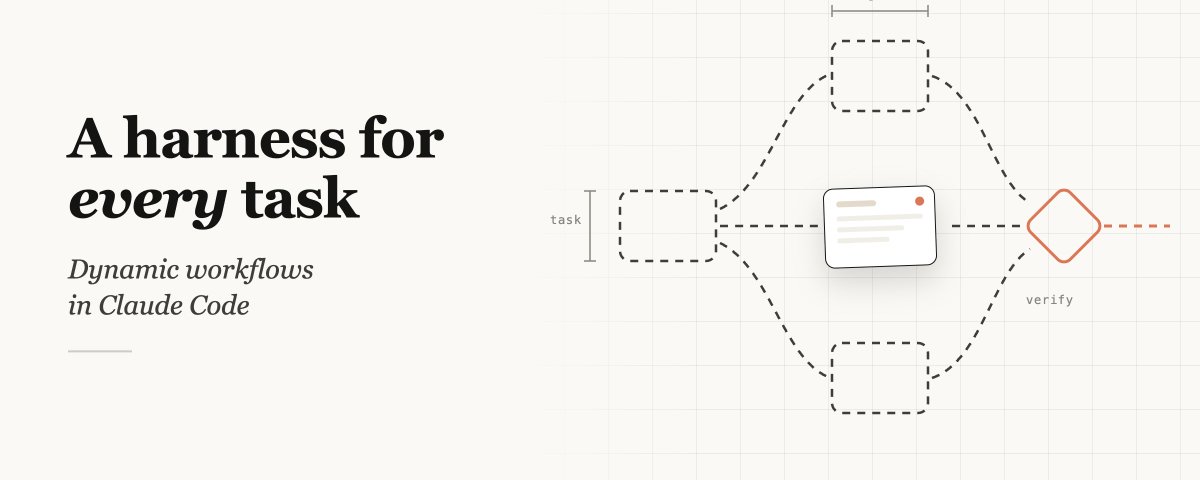
A harness for every task: dynamic workflows in Claude Code
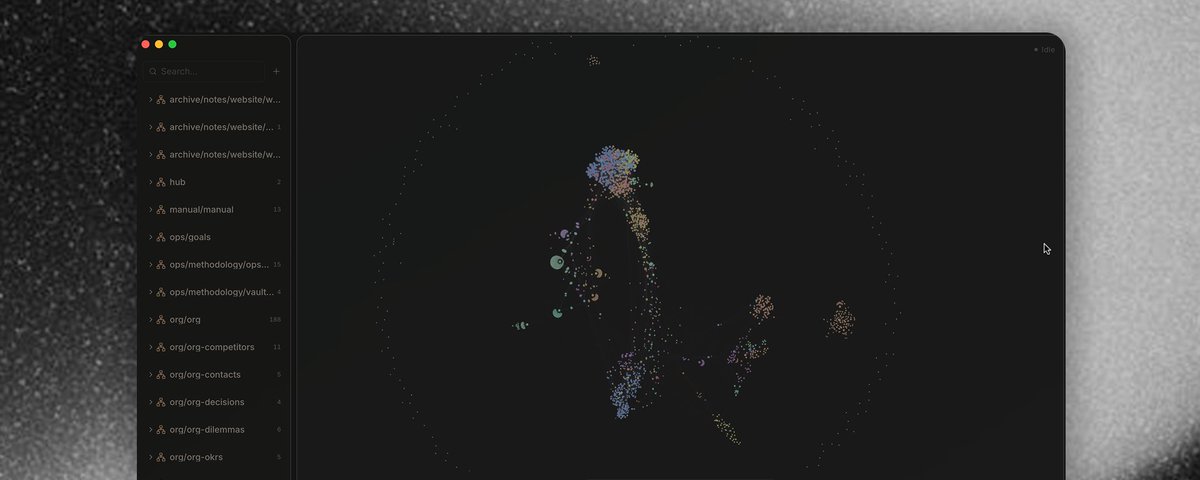
Company Graphs = Context Repository
BREAKING: People are using Claude to build income streams… in days. Not months. Not years. Just prompts. Here are 7 you can copy: 👇
これ誰か買って 「くれ」ないかな?
@Lora7g
Automatic linter rules that are draconian for humans but effective for agents: 1. Cyclomatic complexity budget 2. LOC-per-file restriction 3. CSS/JS/filesize restriction 4. ABC scores 5. what else?
How your email finds me
This is Ed Miliband. He is now in charge of the foreign office, including MI6. Watch this and let that sink in.
🎵MiniMax-Music3 Next-Generation Open-Weights Production-Ready & Versatile Music Model
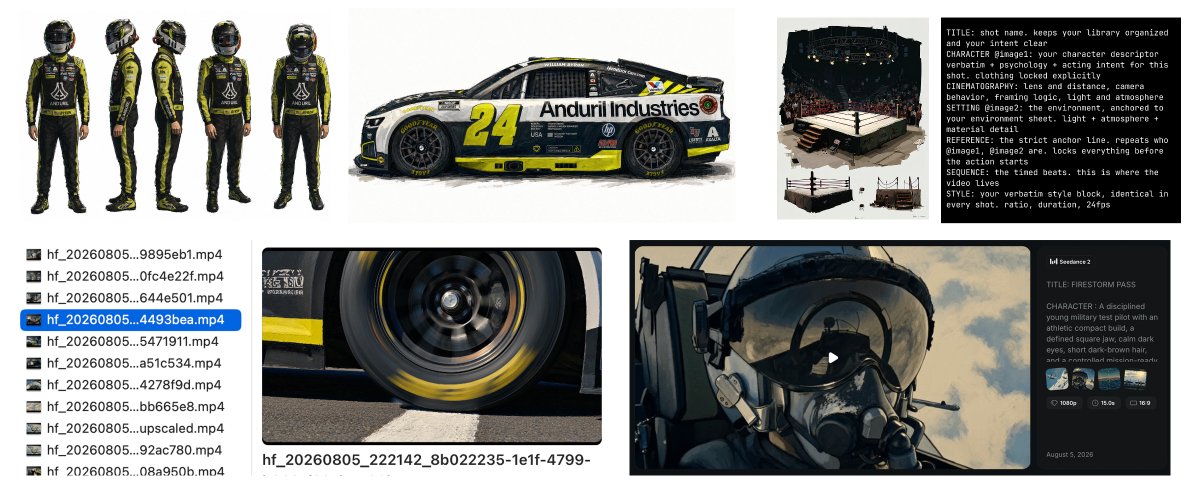
how to prompt seedance 2.5 (the 200iq guide)
UK Poo final boss
75 places to get backlinks for startup: 1. Chrome Web Store (DR 99) 2. Forbes (DR 94) 3. GitHub Pages (DR 97) 4. TrustRadius (DR 84) 5. AlternativeTo (DR 79) 6. SourceForge (DR 92) 7. Gumroad (DR 92) 8. Substack (DR 93) 9. Indie Page (DR 67) 10. Privacy Tools (DR 79) 11. OSS Gallery (DR 29) 12. Yelp (DR 94) 13. Alternative Me (DR 74) 14. SaaSHub (DR 78) 15. HubPages (DR 87) 16. YourStory (DR 85) 17. Medium (DR 94) 18. TrustMRR (DR 66) 19. Crunchbase (DR 99) 20. SEO Wins (DR 27) 21. GitHub (DR 9…
For one of my websites, I gained, • 25,600+ visitors • 115,000+ impressions • 22.4% CTR And, for this, I mainly used Claude AI. Here's how I achieved:
Primer día en Serbia, abro Tinder por curiosidad y creo que no estaba preparado para lo que me iba a encontrar…
Explore it: The data:
Introducing Claude Fable 5: a Mythos-class model that we’ve made safe for general use. Its capabilities exceed those of any model we’ve ever made generally available.
Pets. Now in Codex. Use /pet to wake your pet.
Genuinely unreal hahahahah
The project will drop exclusively on [untitled] All profits will be donated to charities and schemes to support independent artists. This is a powerful statement from Lancey. He will not be controlled by his label.
These 5 courses are currently free and they come with certificates from Columbia University Use coupon code SPRINGAI for the ones with $99. The remaining three are free FREE courses 1. 2. 3. 4. Enroll for Free; Use code SPRINGAI
@itsmemeworks
م. يوسف قدم لنا في الورشة أهم ١٠ أوامر تحول طريقة شغلنا مع Claude Code من الأساس🔥 مو بس أوامر! كل واحدة فيها توفير وقت حقيقي وتحكم أعمق في الأداة وهذي الخلاصة: 👇🏻 🔸! أمر : تنفيذ فوري بدون استهلاك رموز 🔸 Esc X2 : تراجع لنقطة نظيفة 🔸 # ملاحظة : حفظ في الذاكرة 🔸 /compact : ضغط السياق لما يمتلئ 🔸 Ctrl+R : بحث عكسي في تاريخ المطالبات 🔸 @ملف : إضافة سياق فوري 🔸 /init : كلود يكتب دليل تعريفه 🔸 /export : تصدير المحادثة كاملة 🔸 Tab : قبول الاقتراح التلقائي 🔸 Ctrl+S : تخزين المطالبة مؤقتاً
My friend, who works as a chef, taught me this
If you have multiple interests, do not waste the next 2-3 years
The most important skill to learn in the next 10 years
@JamesWynnReal BUY $MOCK GET RICH THANK ME LATER -GABAGOOL
Live And Let Spy by Wings Migrate your $GOVAI tokens to $MOCK via @MigrateFun
The Design OS for your coding agents $ npx skills add superdesigndev/superdesign-skill - Design w/ full codebase context - Infinite canvas exploration - Built in prompt library Here is how it works 🧵👇
Geoffrey Litt
The Complete Guide to Building Agents with the Claude Agent SDK